Feb 1, 2025
Are We Designing Products or Behaviours? UX in the Age of Algorithmic Nudging
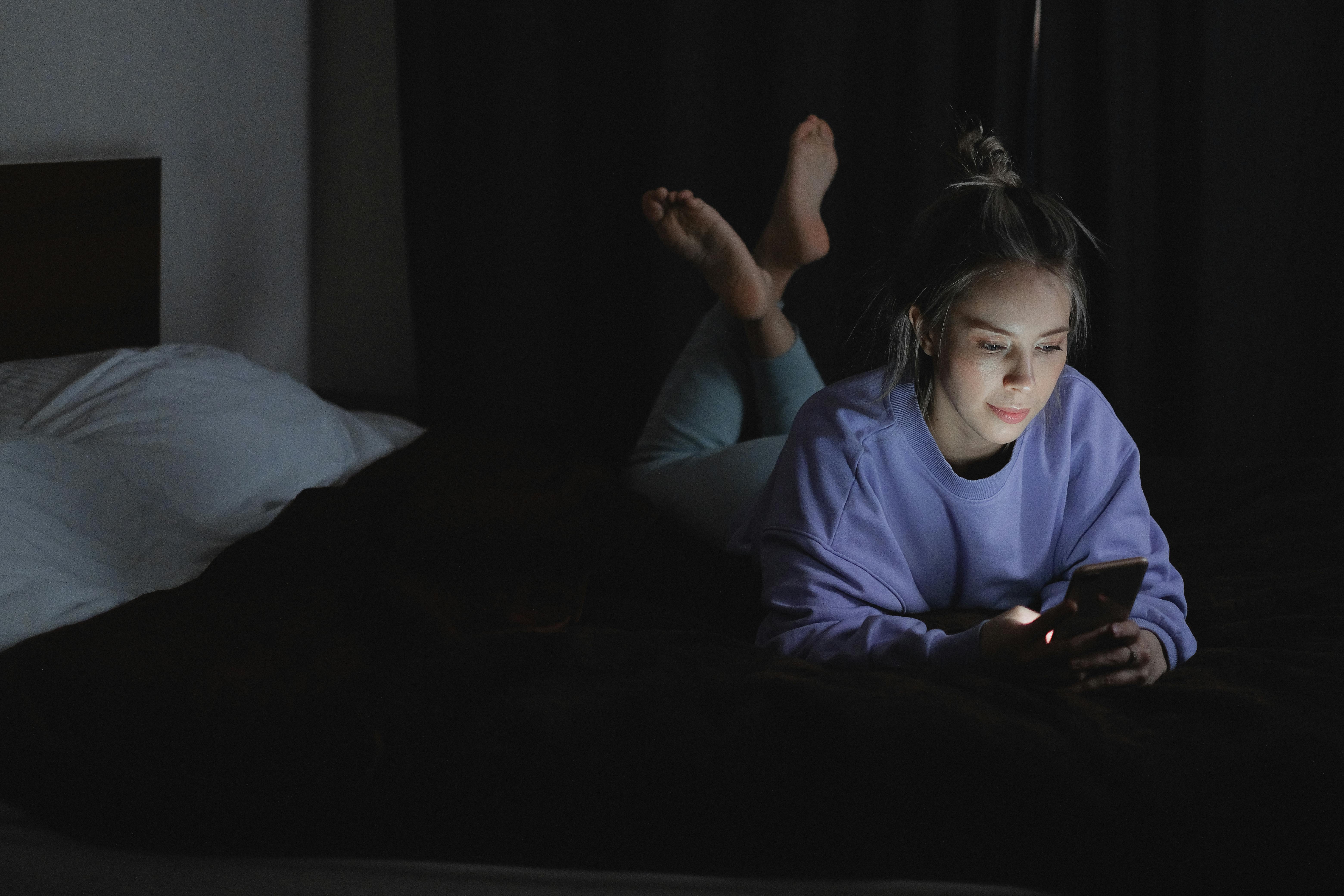
Ever clicked on one YouTube video and somehow ended up watching conspiracy theories about pyramids two hours later? Or opened Instagram “just for a minute” and suddenly it’s 1:17 AM, and you’re deep into a stranger’s dog’s birthday party reel? That’s not just poor time management. That’s designed behaviour. In the last few years, UX design has quietly crossed a threshold. We’re no longer just creating usable interfaces or delightful flows — we’re shaping how people think, feel, and act. Sometimes that’s empowering. Other times... not so much.
From User Experience to Behavioural Influence
UX used to be about clarity, efficiency, and making things work for the user. The job was to understand needs, reduce friction, and craft intuitive journeys. But today, it’s not uncommon to walk into a strategy meeting and hear goals like:
Increase average session time
Drive engagement through habit loops
Minimize drop-off at the payment screen
Reduce opt-outs, increase upgrades, push daily usage
These aren’t just product KPIs — they’re behavioural targets.
Behind the scenes, AI-driven recommendation engines, A/B testing frameworks, and persuasive design patterns are shaping the way users behave — often without their conscious awareness. And guess who’s stitching it all together?
Yep. The UX team.
When the Nudge Becomes a Shove
Let’s be clear: nudges aren’t inherently bad. A well-placed reminder to take a break, finish a task, or revisit a saved cart can improve usability and even user wellbeing. But nudges can quickly slide into manipulation.
Think of:
Dark patterns disguised as helpful flows (e.g., “accidentally” subscribing to a service)
Frictionless traps like autoplay, infinite scroll, or hiding the “cancel” button
Urgency spam (“Only 1 seat left!”… for the third day in a row)
These are not user-centered — they’re business-centered, masquerading as good design.
As UX designers, we’re often caught between two forces: product metrics that reward short-term user retention, and our responsibility to real human beings who are trusting us not to exploit their attention.
So, Are We Still Advocating for the User?
Here’s where I would draw the line.
Yes, I’m interested in business impact. I enjoy thinking in systems, solving for constraints, and building things that work at scale. But my loyalty, first and always, is with the end user.
Good UX is not just about what works; it’s about what’s right.
Designers need to advocate for ethical practices, even (especially) when they conflict with business goals. That means:
Recognising dark patterns — and refusing to use them
Calling out manipulative nudges in meetings, even if they’re data-backed
Designing for informed choices, not compulsive actions
This isn’t design idealism. It’s responsibility. And frankly, it’s good strategy too — users are getting smarter, regulators are catching up, and brands built on manipulation rarely age well.
Designing with (not for) Behaviour
I’m not saying behaviour design is evil. In fact, when done with care, it can be powerful:
Helping users build healthy routines
Encouraging financial literacy and goal setting
Supporting mental health through nudges and check-ins
Simplifying decision-making in overwhelming digital environments
But the key word here is with. Are we designing with the user’s goals in mind — or are we quietly designing them into ours?
Before launching a new feature or “optimizing” a flow, I like to ask:
Does this help the user achieve their intention?
Would I feel comfortable if this were designed for me or someone I care about?
What’s the long-term impact of this nudge, if it works too well?
If those answers aren’t clear — the design probably isn’t either.
In Closing: Our Power, Our Responsibility
UX was never just about screens. At its core, it's about people — their needs, behaviours, contexts, and the systems they navigate. And in a world increasingly shaped by algorithms and attention economies, we — the designers — are often the last line of defense between helpful design and harmful manipulation.
Let’s use that power well.
Because experiences shouldn’t just work — they should respect.
And advocating for users isn’t a nice-to-have. It’s our responsibility.